Pembroke Pines homeowners could see lower tax bills under proposed property tax cuts

Florida lawmakers began a special three-day session Monday to consider a proposal from Gov. Ron DeSantis that would dramatically reduce property taxes on primary residences, a move that could represent substantial tax relief for homeowners, but has sparked concerns about the future of local government services.
The governor’s proposal, which was revised June 1 by House and Senate committees ahead of Tuesday’s floor votes, would increase Florida’s $50,000 homestead exemption to $150,000 in 2027 and $250,000 in 2028.
Now it’s up to voters in November.
The exemption would apply to county and municipal property taxes but not school district taxes.
According to the Broward County Property Appraiser’s Office, the average Broward homeowner would save about $2,100 annually under the plan, but figures are fluctuating under new proposals.
In Pembroke Pines, property taxes help fund essential city services including police, fire rescue, parks, road maintenance and other municipal operations.
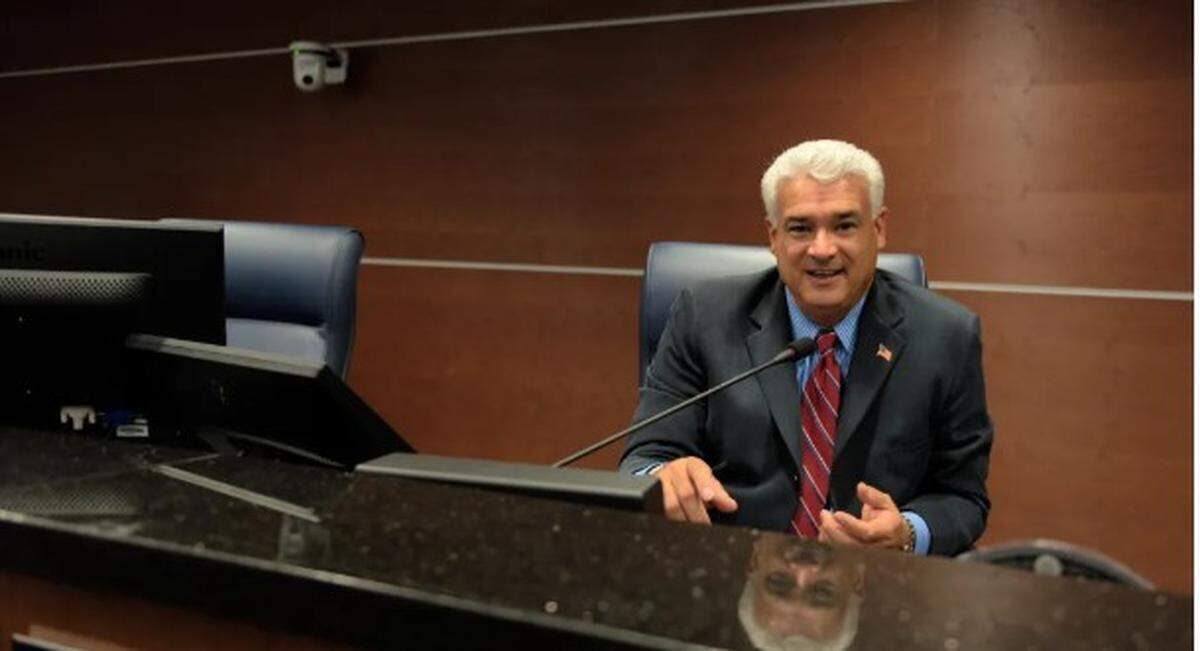
Pembroke Pines Mayor Angelo Castillo expressed his opposition earlier this year during a commission meeting.
“Everybody wants a tax decrease. You wouldn’t be a red-blooded American if you didn’t like the idea of cutting taxes,” he said.
But Castillo cautioned voters that they could experience “instant buyer’s remorse” if a constitutional amendment passes without a revenue replacement plan in place for the city.
Broward Property Appraiser Marty Kiar told the Pembroke Pines News that his office is recalculating the impact of the proposal after lawmakers amended the measure.
“My office is currently updating the fiscal impact estimates based on the changes made by the legislators on Monday,” Kiar said in an email.
At the start of the regular legislative session in January, Kiar’s office released estimates showing that Pembroke Pines’s 41,367 homesteaded properties would be significantly affected by a property tax proposal previously advanced by Republicans.
Under those estimates, Pembroke Pines stood to lose approximately $53 million in annual revenue, or about 44.6% of the property taxes levied in 2025.
Supporters say the measure would provide much-needed relief to homeowners struggling with rising housing costs and escalating tax bills.
“The property tax has become a big, big burden for millions of people in the state, and, fortunately because we’ve had success, we have an ability to do something about it,” DeSantis said during a news conference in Tallahassee launching the special session.
Now approved by the Legislature, the constitutional amendment would appear on the November ballot, where it would require support from at least 60% of voters to take effect.
But the proposal has generated intense debate over how cities, counties and other local governments would replace billions of dollars in lost revenue.
A House staff analysis estimates the proposal would reduce revenue to non-school local governments by $4.6 billion annually at first, eventually growing to $8.4 billion per year.
The Florida Association of Counties estimates counties would lose $3.6 billion in fiscal year 2027-28 and $6.4 billion in fiscal year 2028-29.
Concerned about the impact on local governments, Republican lawmakers amended the proposal Monday to shield school districts from the tax cuts. The revised version would leave school taxes unchanged.
Even with that change, some lawmakers from both parties expressed concerns.
Democrats argued the measure could force local governments to cut services or find alternative sources of revenue.
Local government leaders across Florida have also raised alarms.
The Florida League of Cities warned that removing homesteaded properties from portions of the tax base could shift more of the burden onto businesses, rental properties and non-homesteaded real estate.
Supporters counter that local governments, like the state, should find ways to control spending.