Florida House backs property tax repeal. What Pembroke Pines residents should know
Pembroke Pines homeowners could save up to $2,600 a year if Florida lawmakers follow through on a proposal to eliminate most property taxes.
But before residents start planning what to do with that extra cash, city officials warn the debate in Tallahassee could reshape local services in ways that directly affect daily life.
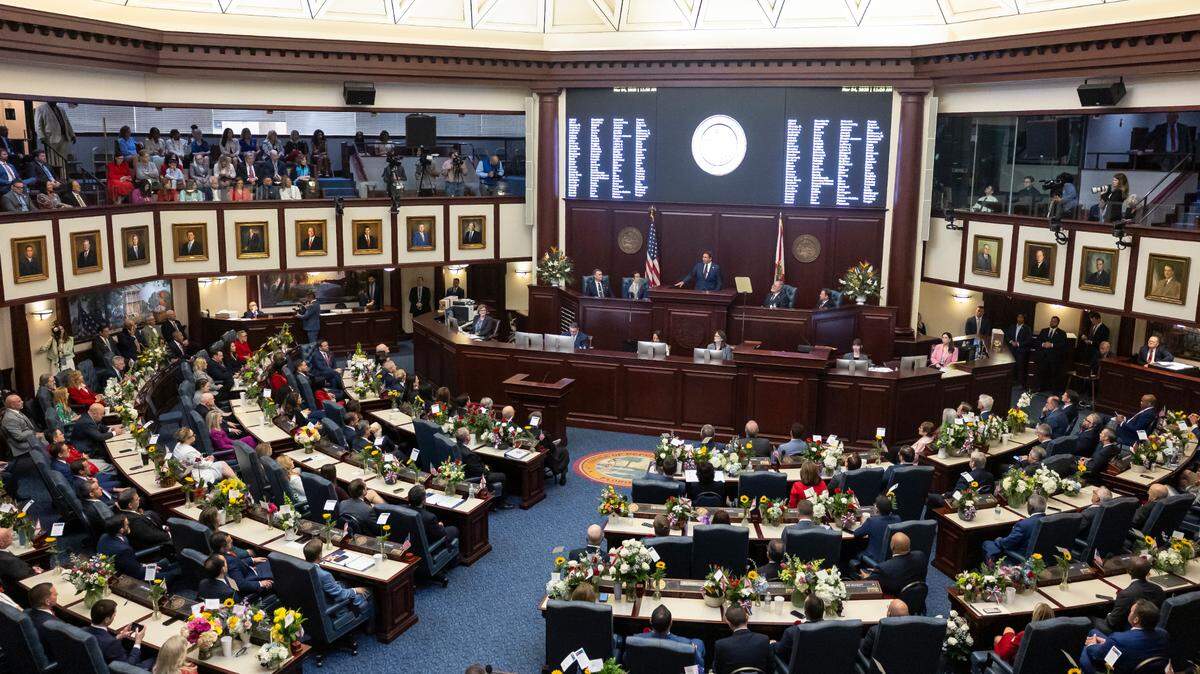
On Feb. 19, the Florida House approved House Joint Resolution 203 in an 80-30 vote, largely along party lines. The measure would gradually eliminate non-school property taxes if ultimately approved by voters statewide in November.
First, it needs Senate approval.
Now the question for Pembroke Pines residents is no longer whether the idea is appealing, but what happens next — and how it could change the city they live in.
What it could mean for homeowners
According to projections shared by Broward County Property Appraiser Marty Kiar, Pembroke Pines has 41,367 homesteaded properties. A median homeowner could see savings of approximately $2,400-$2,600 annually if non-school property taxes are eliminated.
In 2025, Pembroke Pines levied about $118 million from homeowners. Under current projections, the city could face a $53 million loss — about a 44.6% reduction in its budget.
For residents, that math creates a tradeoff: thousands saved at home, but potentially fewer city services.
What services could be affected?
While public safety funding for police and fire services is expected to be protected under proposals circulating in Tallahassee, nearly half of municipal budgets typically support other essential services.
In Pembroke Pines, that could include:
- Parks and recreation programs
- Library services
- Road maintenance and infrastructure projects
If nearly a quarter of the city’s operating revenue disappears without a replacement funding source, officials may have to consider raising fees, increasing special assessments, reducing services or restructuring city operations.
That could mean higher permit fees, increased recreation program costs, delayed capital projects or scaled-back amenities.
What city leaders are saying
Pembroke Pines Mayor Angelo Castillo acknowledged that tax cuts are attractive to homeowners.
“Everybody wants a tax decrease. You wouldn’t be a red-blooded American if you didn’t like the idea of cutting taxes,” he said.
However, he warned residents often don’t fully grasp what their taxes fund, including parks, infrastructure and city programs.
“We are this far down the road and this loaded with sales pitch, absent a clear plan of how it will work,” Castillo said, cautioning that voters could experience “instant buyer’s remorse” if a constitutional amendment passes without a revenue replacement plan in place.
What has to happen before anything changes?
For Pembroke Pines residents, several steps remain before property taxes disappear:
- The Florida Senate would need to pass its own version of the proposal
- Lawmakers would need to reconcile differences between House and Senate versions
- The proposal would then go before Florida voters in November
- If voters approve it, the phase-out would begin over time
This story was written by a Pembroke Pines News reporter with the help of AI tools and edited by journalists in the Pembroke Pines News newsroom.