Florida House advances property tax repeal. What that could mean for Pembroke Pines
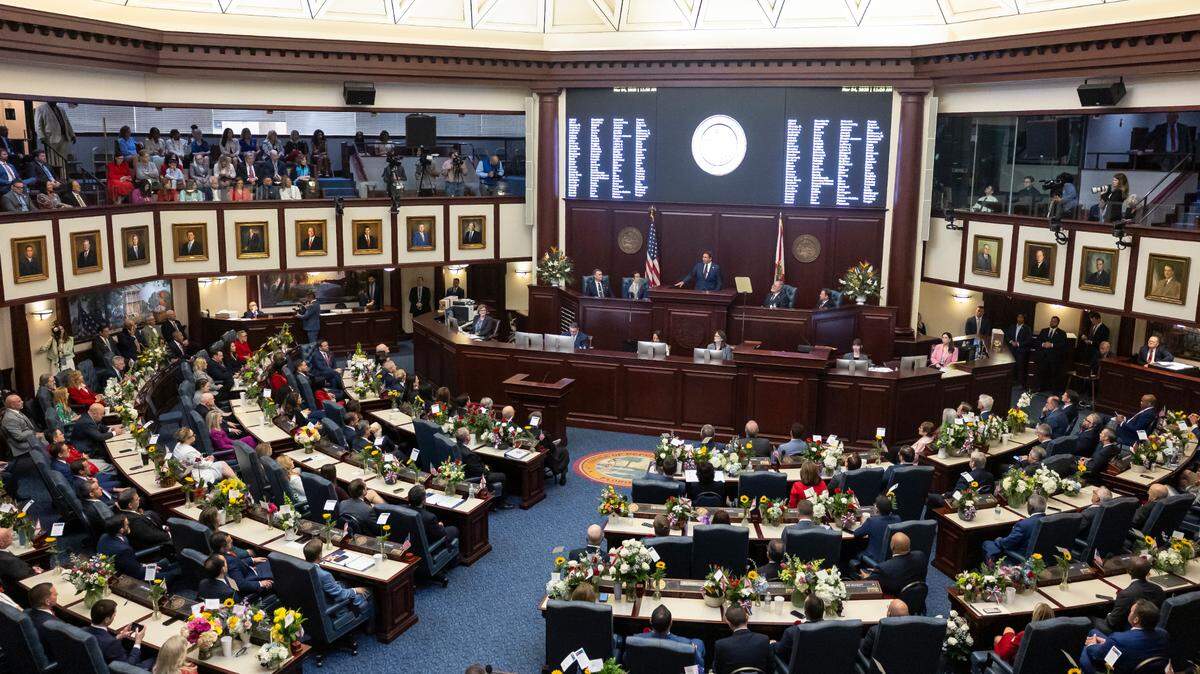
The Florida House on Thursday, Feb. 19, approved a sweeping proposal to repeal most property taxes, a move that could dramatically reshape city budgets.
For municipalities such as Pembroke Pines, officials warn the potential tax relief for homeowners could come at a steep cost, threatening funding for parks, libraries, infrastructure and other essential services.
The measure — House Joint Resolution 203 — passed 80-30 largely along party lines and would eliminate non-school property taxes over time if approved by voters in November.
Supporters argue homeowners could save roughly $2,000 to $2,400 annually and say property taxes have increased sharply since 2020.
Critics, including city leaders across Broward County, caution that eliminating property taxes without a replacement revenue plan could slash municipal budgets by tens of millions and undermine essential services.
Broward County Property Appraiser Marty Kiar has been briefing cities on the potential fallout, warning that municipalities may face dramatic revenue losses.
Kiar emphasized that while proposals protect police and fire funding, nearly half of county budgets support other essential services, including parks, libraries, roads and infrastructure, which would face significant cuts.
Now, the debate is no longer theoretical. Budget impacts could begin within a few years, forcing municipalities to raise fees, increase assessments, reduce services or restructure operations to offset lost revenue.
Kiar noted there is currently no plan in place to replace the lost revenue.
Here is the outlook for Pembroke Pines:
- The city has 41,367 homesteaded properties
- For a median homeowner, the saving is about $2,400 to $2,600
- Pembroke Pines levied $118 million in property taxes last year
- Potential budget loss: $53 million, or 44.6% of property tax revenue

Pembroke Pines Mayor Angelo Castillo acknowledged that tax cuts are attractive to homeowners.
“Everybody wants a tax decrease. You wouldn’t be a red-blooded American if you didn’t like the idea of cutting taxes,” Castillo said.
However, he warned residents often don’t fully grasp what their taxes fund, including parks, infrastructure, and city programs.
“We are this far down the road and this loaded with sales pitch, absent a clear plan of how it will work,” Castillo said, cautioning that voters could experience “instant buyer’s remorse” if a constitutional amendment passes without a revenue replacement plan in place.
If the Senate passes its version of the bill, voters would decide the issue in November.