Pembroke Pines’ ‘bare bones budget’ starts Oct. 1. Here’s what to know
.jpg "Pembroke Pines’ 2025-2026 budget begins Oct. 1, marking the start of the city’s fiscal year.")
Higher property taxes and utility bills, growing police and fire funds, and several community improvement projects headline Pembroke Pines’ new city budget.
City officials unanimously passed the $581.3 million resolution for 2025-2026 — which tops last year’s funds by $29.1 million — in September following two public budget hearings that spanned just over an hour.
The “bare bones budget,” as city manager Charles Dodge dubbed it, takes effect Oct. 1, though officials have been crunching numbers as early as January, according to the resolution.
A calendar published by the city shows that once department heads turned in their cost breakdowns and goals in March for the upcoming fiscal year , the budget staff and Dodge spent spring and summer crafting and polishing the budget before submitting a draft to the commission in August.
Two public hearings, which allowed for residents to voice their thoughts on the proposal, were held in September.
Here are the main takeaways from Pembroke Pines’ 2025-2026 city budget.
.jpg "Pembroke_Pines_MJO_7 (1).jpg")
Property taxes on the rise
Pines residents will see their tax bill go up this year, despite commissioners’ attempts to lower millage rates. The average home can expect a roughly $66 hike as “property tax on the median residential property with a taxable value of $215,328 is estimated at $1,218 for 2025 compared to $1,152 in 2024,” the budget reads.
This year’s operating millage rate saw no difference from the previous budget, 5.6690, but officials afforded locals a slight dip in debt service millage for the 10th year in a row, bringing down the joint rate to 5.9552 from 2024’s 5.9898.
“It’s not a great reduction, but it is a slight reduction, and it’s certainly better than an increase,” Castillo said at the first public budget hearing on Sept. 3.
Why will you still have to pay more? City Hall says it’s “entirely due” to the average Pembroke Pines home increasing in taxable value over the past year, a decision made by the Broward County Property Appraiser’s office.
The bump in price saw backlash from Commissioner Jay Schwartz, who proposed a drop in the operating millage rate to 5.6000 at the Sept. 3 public budget hearing .
When asked by Castillo how the city would account for the $1.3 million deficit the change would create, he offered no suggestions.
The District 2 commissioner recommended reallocating funds for elevator repairs at Pines Place, an affordable housing complex, and a road infrastructure project at the city’s second public budget hearing, saying the former could be covered by a tentative sale to developers and the latter by asking the state government for financing.
Dodge was quick to discourage the millage change, saying the money for both projects should stay untouched in case alternative funding does not pan out. He added that Schwartz’s proposed savings might not be worth the sacrifice.
“The recommendation amounts to about 41 cents a month per resident. I don’t think it’s prudent for us to do it at this time,” the city manager said.
“I have to tell you, it’s coming a little late and it looks like a dollar short,” Castillo said.
Revenue made from residents’ property taxes go toward the General Fund, which covers city government costs such as public safety, street maintenance, culture and recreation and City Hall operations, and the Debt Service Fund, which manages Pembroke Pines’ outstanding bonds or debts.
Utility bills go up, water treatment plant upgrades
Utilities such as water and waste management are also slated to go up , totaling $96.7 million of the budget compared to $95 million last year. If you live in a typical Pines home that uses 3,000 gallons of water per month, that will add $2.27, excluding taxes and fees, to your monthly statement, according to the resolution.
Responsible for the cost increase is a 4.71% increase in water and sewer rates caused by inflation, though residents will also benefit from community improvement projects that won’t directly translate to a higher bill.
A revamp of the city’s water treatment plant is set to meet the U.S. Environmental Protection Agency’s standard for eliminating PFAS — man-made chemicals that can cause health issues like high cholesterol and cancer — to bring locals safer drinking water. The project will be paid for through loans and revenue from a PFAS-related settlement.
Utility upgrades to the Howard C. Forman Human Services Campus, a main provider of health care and affordable housing in Pembroke Pines, will be financed through a Florida Department of Environmental Protection grant.
Police, fire services remain big-ticket items
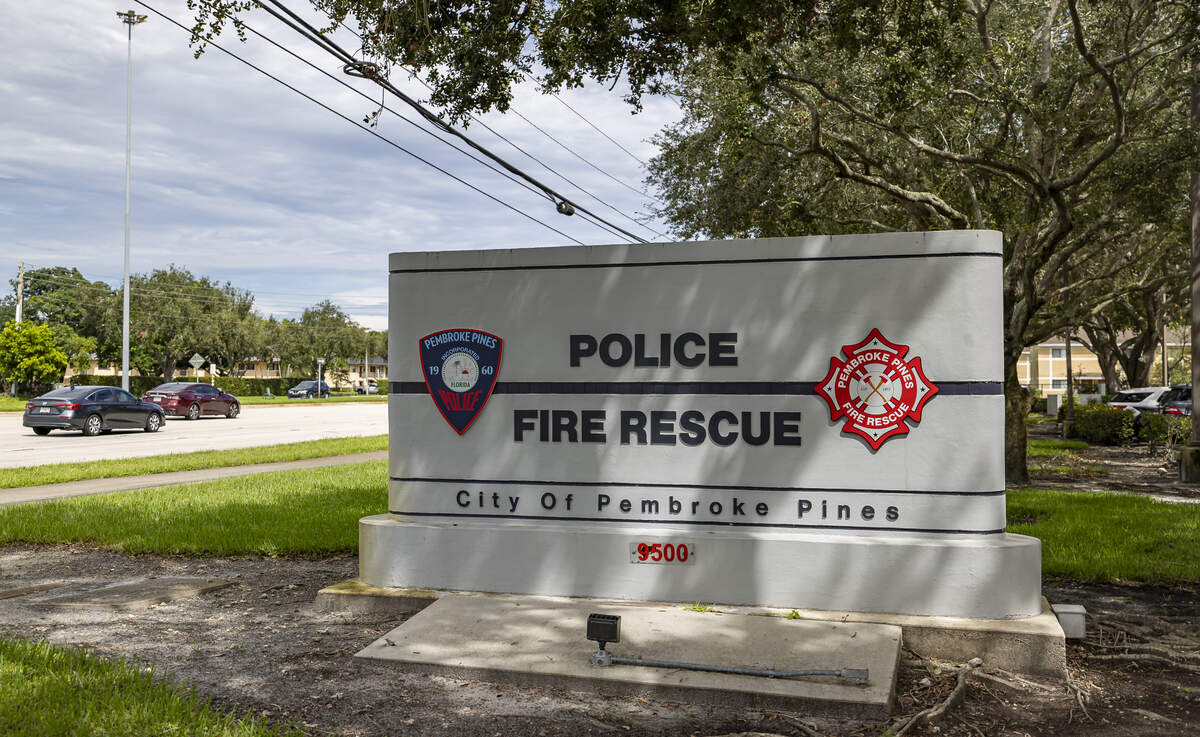
Public safety, which includes police and fire services, is the largest expense on this year’s budget. The category accounts for nearly 63% of the General Fund’s expenditures, according to the resolution, and will cost $179.6 million to fund this year.
That high price is largely owed to salaries, pensions, health insurance, and other benefits that increased by $9.4 million, and capital purchases — first responders’ equipment — that topped last year’s budget by $2.7 million.
The commission is known for its staunch economic support of the city’s police officers and firefighters, touting Pines’ reputation as a safe, family-friendly city. Public safety has ranked as one of the costliest budget items the past five fiscal years.
“[The budget] helps fund the world-class detectives and police officers that we have, and our fire rescue department, which is Class A-rated,” Vice Mayor Michael Hernandez said at the second public budget hearing.
Crime rates have declined the past five years, according to Pembroke Pines Police’s latest report to the Florida Department of Law Enforcement, but violent crimes — murder, robbery and aggravated assault — had small increases last year.
Pembroke Pines remains below the national average for crime, tallying in at 1,548.9 incidents per 100,000 residents, according to the agency’s report to FDLE.
Outside of personnel, residents will see the funds translate to new equipment at stations, including AI software for economic crime detection, a generator, new radios and more.
Other things to know about the budget
Also on the docket is $26,024 for culture and recreation projects, a 2.3% increase from last year’s budget.
Officials are penciling in a new Martin Luther King Day parade for January alongside 43, regularly scheduled special events including Bow Wow Ween in October, Snowfest in December and Pines Day, which will commemorate the city’s 66th birthday in April.
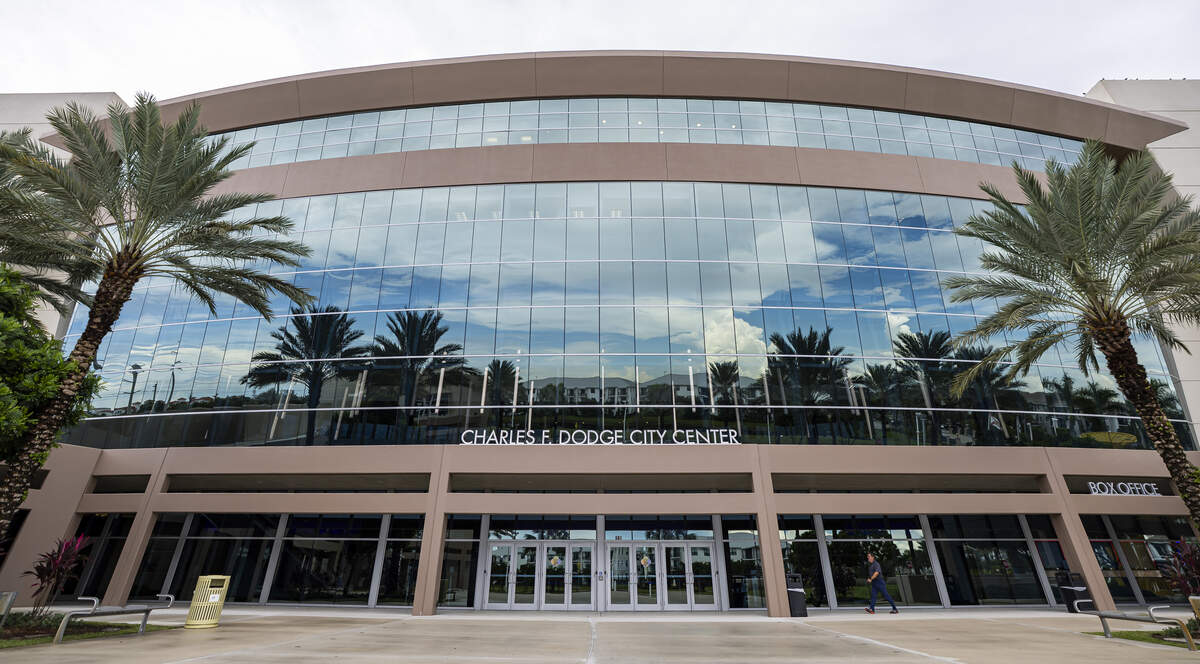
Hallmarks such as the Pembroke Lakes Golf Course, Studio 18 Art Complex, Pembroke Pines Arts & Culture Center, Charles F. Dodge City Center and the new Dream Park Community Center will see funds allotted for maintenance, repairs and operations.
This story was originally published September 25, 2025 at 8:57 AM.