New underground power lines are coming to Pembroke Pines. Here’s what we know
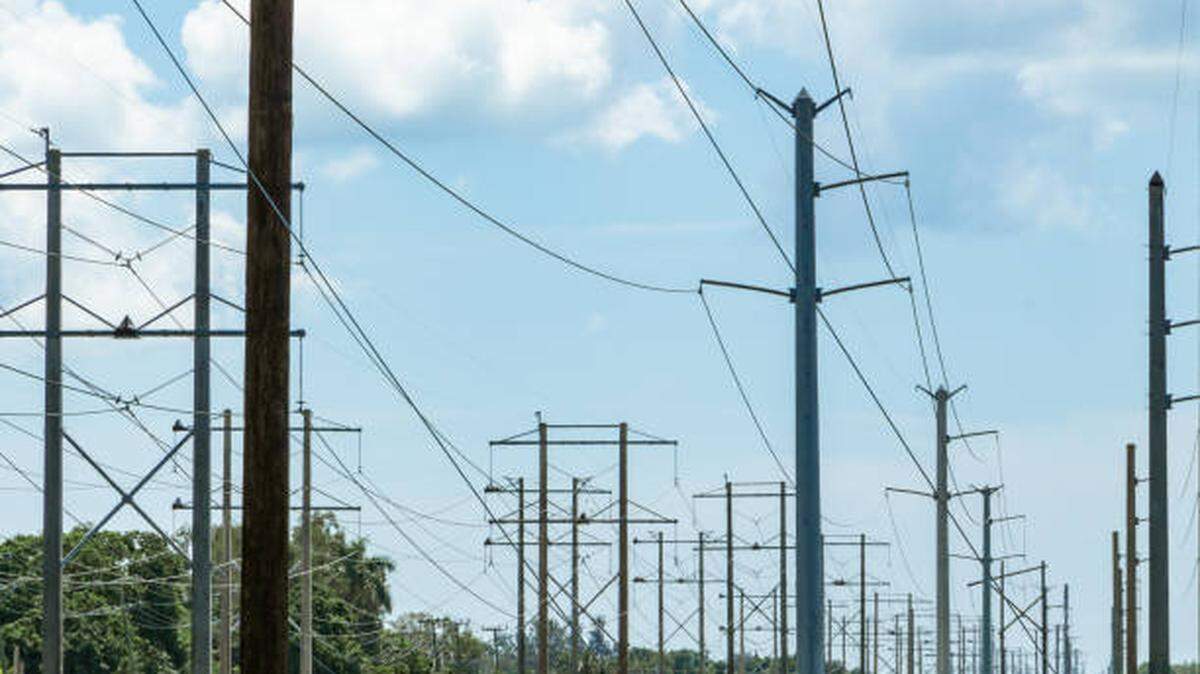
Construction projects for changes to Pembroke Pines’ power grid are underway, according to city officials.
Residents were notified of Florida Power & Light’s “undergrounding projects” in the southwest Broward city via a Feb. 7 City of Pembroke Pines Instagram post.
The project — dubbed the Storm Secure Underground Program (SSUP) on FPL’s website — will replace overhead neighborhood power lines with subterranean alternatives to evade what the power company says is the leading cause of outages: “trees and vegetation coming into contact with overhead lines.”
Here’s what we know:
Why my neighborhood and home?
FPL determines which municipalities are selected for SSUP through data revealing which neighborhoods are most “vulnerable to severe weather or likely to have liability issues,” according to the power company’s website.
Once an area is picked for line replacements, that kicks off a roughly two-year process comprised of three phases: design, outreach and construction.
Though FPL won’t need to place a transformer — an often green, metal box that converts high-voltage power to low-voltage electricity suitable for residences or businesses — in every home, all properties in the selected area will be evaluated and considered for equipment placement.
If your home is chosen to house a transformer or if lineworkers need access to your property once construction begins, FPL says a customer outreach specialist will contact affected residents to secure legal permissions or property easements.
These power company liaisons will stay in touch with customers throughout the project, updating residents via door knocking, mail, email, text and phone calls, according to city officials.
What will construction look like?
After a property is chosen and surveyed for a transformer, FPL will flag any other underground facilities — water, sewer, telecommunications — and section off and begin digging into the approximately 10-square-foot lawn space it will occupy.
Lineworkers use “low-impact directional boring” equipment to keep land disruption at a minimum and access hard-to-reach areas, says the power company.
Primary power lines located under a residence are tunneled 3 to 4 feet while the service line that directly powers a home is buried a minimum of 2 feet underground to avoid other utilities and tree roots.
The final transfer from overhead to underground lines requires the transformer to be energized, which means a two-hour outage FPL says will be coordinated with customers in advance.
If construction leads to your grass being torn up or sprinklers being damaged, the power company assures it will “restore all properties to their pre-construction condition.”
That could mean sod replacement or fixes to a broken irrigation system, which would receive more immediate attention, according to city officials.
Timelines, money, neighbors comment
Construction is already underway, but specifics on when each neighborhood will see construction start — or when the project will wrap up in Pines — have not been released by the power company as of Feb. 9.
FPL warns that since the “length of the construction can vary from project to project,” a resident’s assigned customer outreach specialist will update them on anticipated timelines.
They’ll be available to answer questions that pop up during the construction process, the power company says, and can be reached by using the direct phone number given in FPL’s mailed informational packet or through an online contact form.
Funds for the project don’t come from “out-of-pocket upfront costs” but are collected from customers through a monthly Storm Protection Plan charge that’s approximately $9.95 for the average customer.
Residents of neighboring cities who took to a Feb. 5 Next Door post by Pembroke Pines Commissioner Jay Schwartz explaining the project had mixed reviews.
“This work has been completed in parts of east Hollywood,” wrote Willie Santiago of Hollywood. “During this work the grass on an area on my front lawn was damaged due to the digging of piping and cables. No sod was replaced nor information provided on the replacement.”
“They explained everything each step of the way,” commented Joy Cannizzaro of Hallandale Beach. “Very professional and put everything right back where it was in the end.”
This story was originally published February 9, 2026 at 1:51 PM.