Celebrating the new year with fireworks? Here’s what’s legal and how to be safe
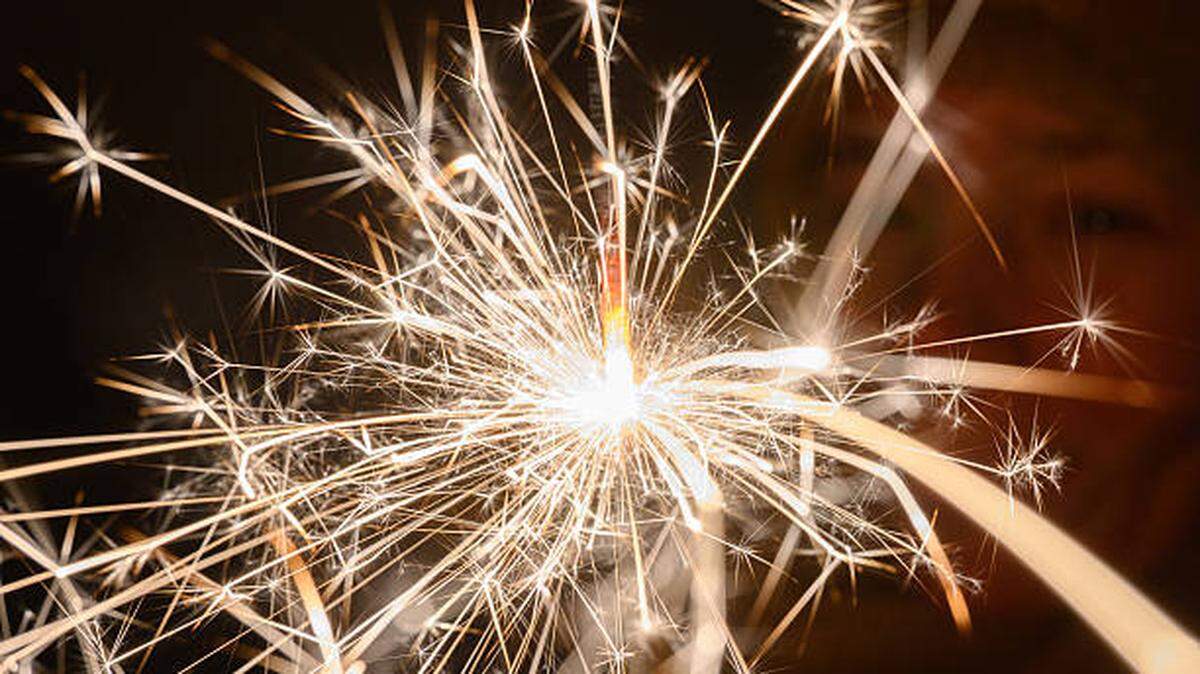
For those who believe a New Year Eve’s celebration isn’t complete without setting off a brightly-colored explosive, today and tomorrow are two of the three days they can legally enjoy lighting fireworks.
In Florida, consumer fireworks are legal, but only on certain holidays: New Year’s Eve (Dec. 31), New Year’s Day (Jan. 1), and Independence Day (July 4).
Consumer grade fireworks are low-hazard 1.4G (Class C) explosives commonly found at your local Publix and are safe for home use when proper precautions are followed. This includes types such as sparklers, fountains, ground spinners and party poppers, according to the Florida Sheriffs Association.
But even when fireworks are legal, they can be dangerous if not used properly, Pembroke Pines Fire Chief Marcelino Rodriguez said.
“Everyone needs to know how unpredictable fireworks can be, especially if they’re not handled carefully and like they’re intended to be handled,” Rodriguez told the Pembroke Pines News on Dec. 31. “You see it every year, despite all our efforts to kind of put out information and educational pieces regarding fireworks, we see serious injuries every year.”
In 2024, an estimated 14,700 people were treated in emergency rooms for fireworks-related injuries, and 11 deaths were reported, according to the U.S. Consumer Product Safety Commission.
Even when fireworks are legal under state law, some homeowners associations impose stricter rules. Rodriguez urged residents to check their community guidelines before using fireworks, as some HOA restrictions may limit what can be ignited within certain neighborhoods.
He also said that many of the injuries firefighters respond to stem from improper use. That includes holding fireworks that are designed to be placed on the ground.
“We have to be mindful ... it needs to be away from any flammable objects,” Rodriguez said. “We also have to remember that with those fireworks that shoot into the air, we have to calculate where these projectiles are going to land.”
Shell fragments can travel far beyond where fireworks are ignited, posing additional fire risks.
“We’ve seen before (these shell fragments) can travel significant distances and ignite dry grass, mulch and even roofs,” Rodriguez said. “In some cases, they can travel 150-200 feet and with the wind, they can travel even further.”
The chief added fireworks should only be ignited, “where it’s legal and where it’s a safe distance on stable ground.”
Ahead of the New Year’s celebrations, the Pembroke Pines Police Department on Dec. 30 shared safety tips dedicated to all the fireworks lovers in the city.
Here are a few things to remember:
- Mixing alcohol and fireworks never ends well. Always have a responsible and sober adult around to supervise all fireworks.
- Fireworks can frighten household animals, and can cause dogs or cats to run away. The department recommends pet owners to make sure their pet’s tag and microchip information is up-to-date.
- Never allow young children to play with or ignite fireworks, including sparklers. Sparklers burn at temperatures of about 2,000 degrees Fahrenheit, hot enough to melt some metals.
- Prevent trash fires by soaking used fireworks in water before disposing of them.
- Keep a bucket of water or a garden hose handy in case of an emergency.
- Light fireworks one at a time, then allow ample distance between you and the flame.
- Never try to re-light or pick up fireworks that have not ignited fully.
The police department also reminded residents that noise complaints or other non-emergency concerns should be directed to their non-emergency line at 954-764-HELP.
This story was originally published December 31, 2025 at 1:45 PM.