Remember when ... Pembroke Pines felt small? Take a look at city in its early days
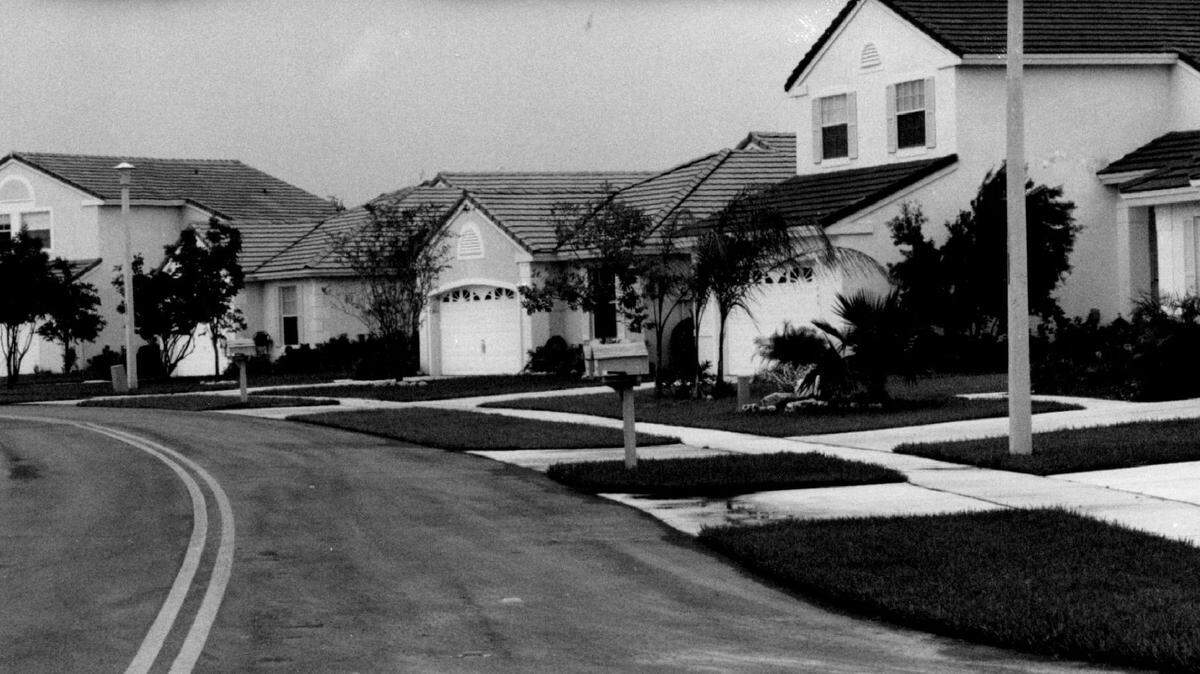
From dairy farms and open land to one of Broward County’s largest cities, Pembroke Pines’ growth story is rooted in postwar migration, westward expansion and a population boom after Hurricane Andrew.
Long before modern development, the area that would become Pembroke Pines was inhabited by Native Americans. Archaeological findings throughout Broward County, including skeletal remains, point to early settlement.
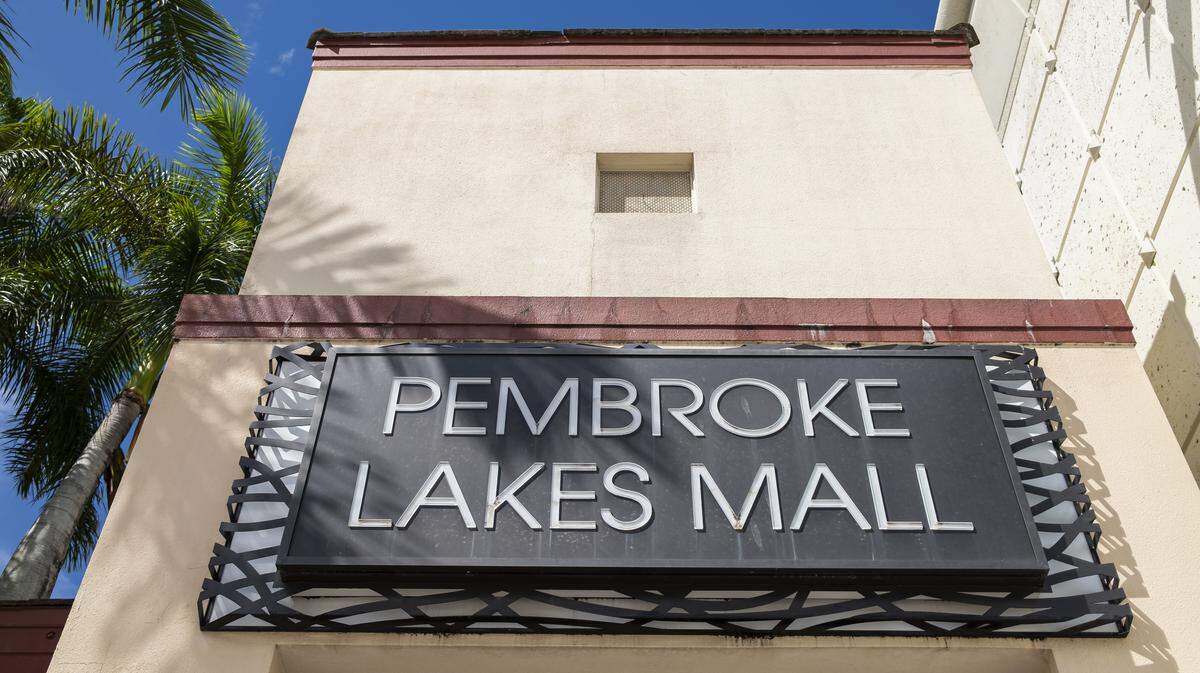
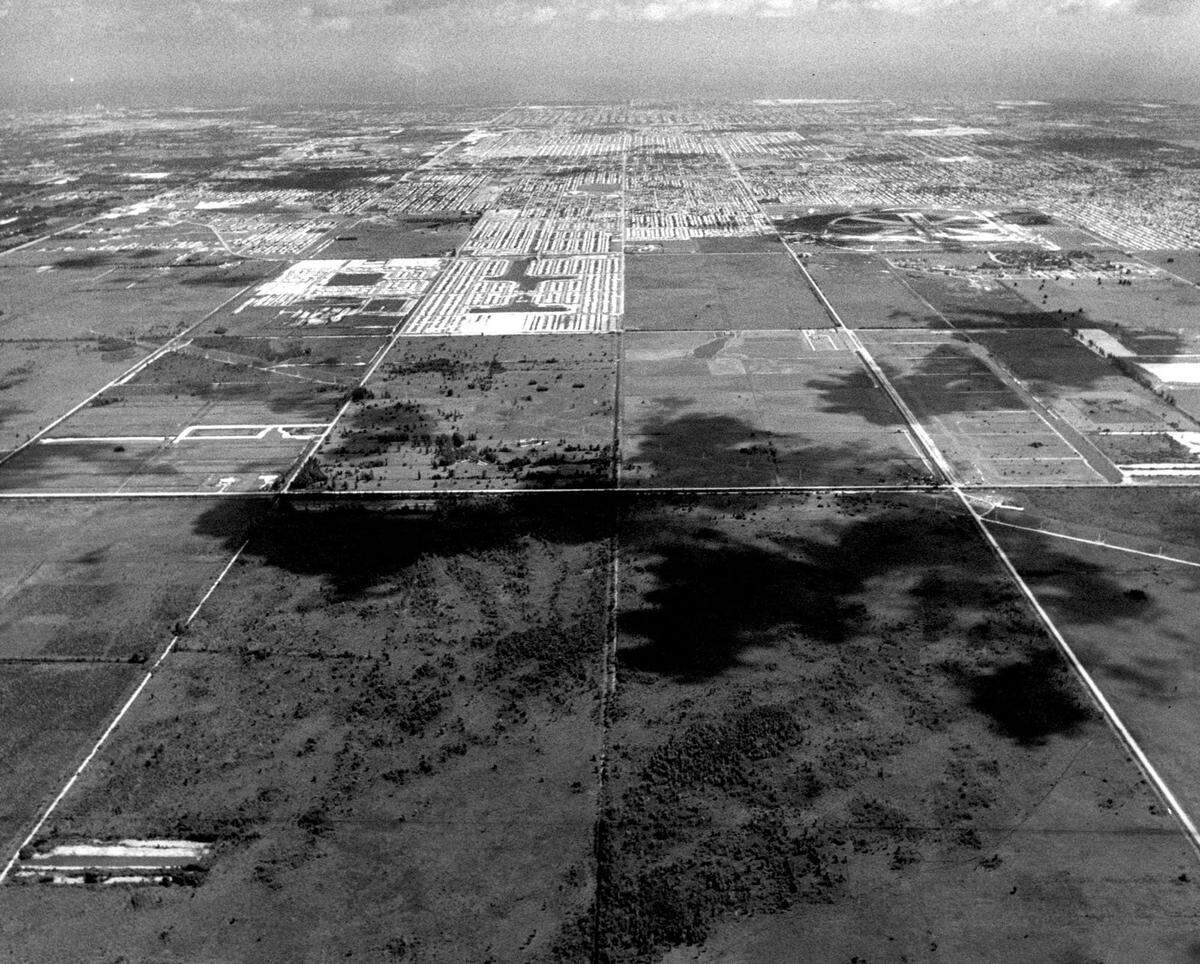
In modern times, however, the land remained largely undeveloped and agricultural for decades. Dairy farms dominated the landscape, particularly large tracts such as the Waldrep Dairy Farm, which once covered much of what is now eastern Pembroke Pines, including the site of today’s Pembroke Lakes Mall.
The area sat west of older coastal communities and retained a rural character well into the mid-20th century.
Using historical photos from the Miami Herald’s files, the Pembroke Pines News will give readers an occasional glimpse at how the city once looked.
After World War II, Pembroke Pines began to change as retired servicemen and new residents moved to South Florida in search of affordable land and suburban living.
Early residential development took hold in the 1950s, and one of the first homes — built in 1956 — belonged to Dr. Walter Smith Kipnis, who became the city’s first mayor.
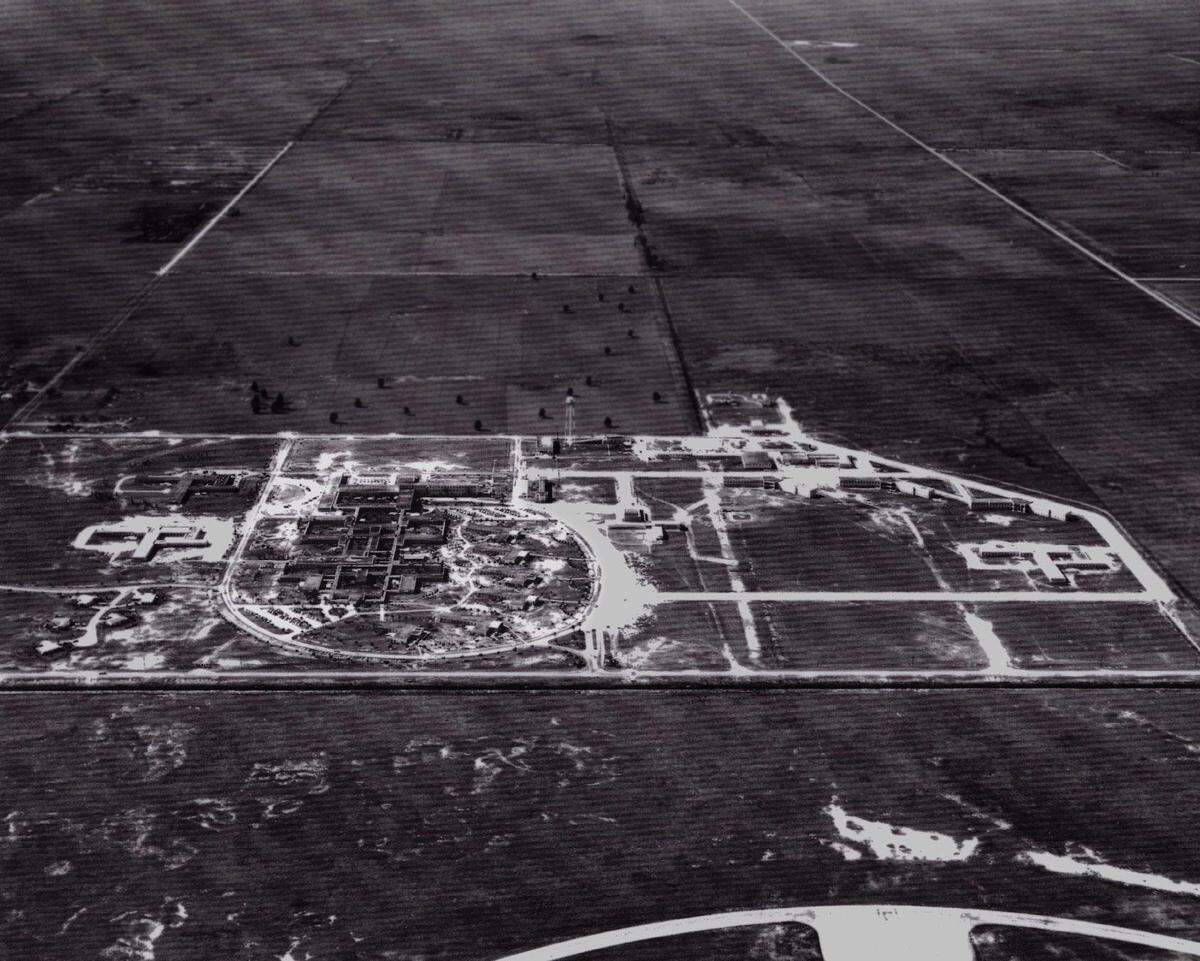
The community was initially incorporated in 1959 as the Village of Pembroke Pines. The city became the home of South Florida State Hospital, which served as a regional facility for mentally ill patients.
But the the incorporation was short-lived. Builders contested the village’s boundaries, triggering a legal battle that led to its dissolution.
Despite the setback, residents pushed forward. On Jan. 16, 1960, voters approved a second incorporation, officially establishing the City of Pembroke Pines with 425 votes.
The city’s name has deeper historical roots. Pembroke Road, which runs through the area, traces its name to Sir Edward J. Reed, a member of Britain’s Parliament for the County of Pembroke from 1874 to 1880.
In 1882, Reed formed the Florida Land and Mortgage Company and purchased roughly 2 million acres of mostly swampland in a massive land deal tied to the Florida Everglades. When the city incorporated, Kipnis suggested adding “Pines” to the name in reference to the pine trees growing near Pembroke Road.
At incorporation, Pembroke Pines was a tiny municipality — less than one square mile — bounded by Hollywood Boulevard to the north, Southwest 72nd Avenue to the west, and Florida’s Turnpike to the east.
Growth was initially constrained by North Perry Airport and the South Florida State Hospital. University Drive marked the western edge of habitable land, and early city services were modest, including the construction of the first fire station near the airport.

Community engagement played an important role in shaping the young city. Residents formed the Pembroke Pines Civic Association to encourage citizen involvement and guide development.
A key turning point came when developer Joseph LaCroix requested that his 320-acre property north of Pines Boulevard be annexed, creating a pathway for westward expansion.
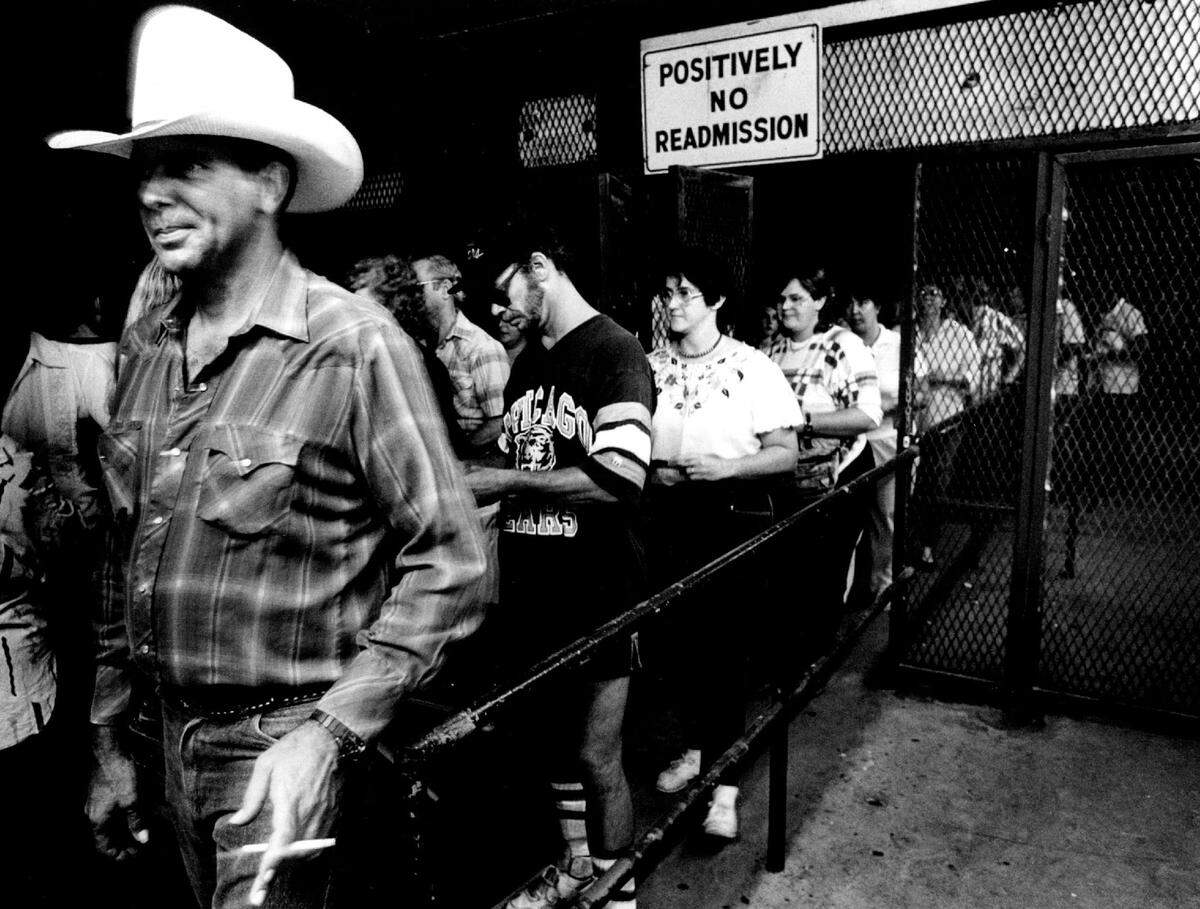
Major growth arrived in 1980, when land stretching from Flamingo Road to U.S. 27 was incorporated into the city, effectively doubling its size. This expansion brought major landmarks into Pembroke Pines, including C.B. Smith Park, the Miami-Hollywood Motorsports Park and the famed Hollywood Sportatorium, where major musical acts performed.
That same year, construction began on Interstate 75, extending the expressway south from U.S. 27 toward Miami through the city’s newly annexed western areas.
By 1984, I-75 reached Pines Boulevard, reshaping development patterns and accelerating suburban growth. At about the same time, famed retirement community, Century Village openend, attracting some 15,000 residents, a sort of early Villages in South Florida.
The most dramatic population surge came after Hurricane Andrew in 1992. Thousands of residents from southern Miami-Dade moved north to Broward in search of housing, with many settling in Pembroke Pines.
What began as temporary relocation became permanent for many families. By the late 1990s, the boom ranked Pembroke Pines as the third fastest-growing city in the United States.
Rapid growth placed heavy demands on infrastructure and education. By 2003, Charles W. Flanagan High School enrolled nearly 6,000 students, making it the largest high school in Florida at the time.
Pembroke Pines’ population grew from 65,500 in 1990 to more than 157,000 by 2011 and today stands at roughly 185,000 residents.
Once farmland and open space, the city has evolved into one of Broward County’s largest municipalities, defined by suburban neighborhoods, parks, schools and a diverse population shaped by decades of migration, expansion and resilience.
This story was originally published January 6, 2026 at 5:00 AM.