Spotted a coyote in Pembroke Pines? Here’s what you need to know to stay safe
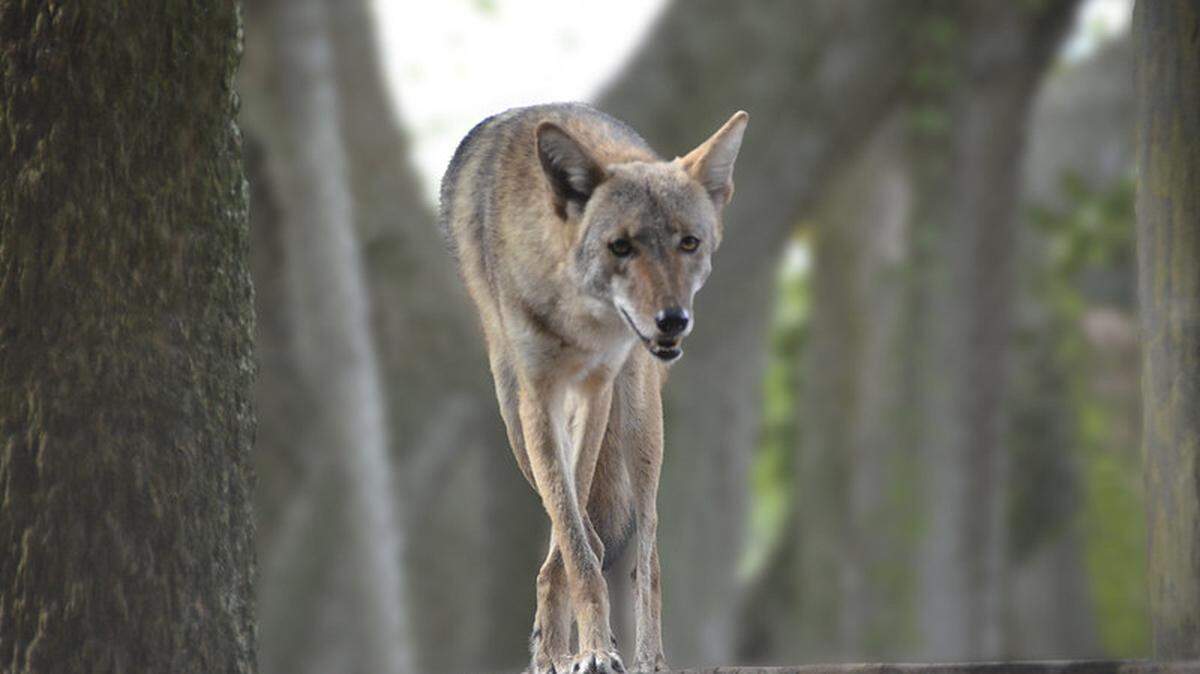
If you’ve noticed furry, slender-muzzled animals roaming around Pembroke Pines, you’re likely seeing coyotes.
Coyote sightings are common across South Florida, especially during mating season (January-March) or in the fall (September-November) when young coyotes leave their parents to find their own territory.
According to the Florida Fish and Wildlife Commission, coyotes are found in several habitat types and are common in suburban, rural or even some urban landscapes.
The FWC’s last statewide report found the presence of coyotes in all 67 Florida counties.
Though coyotes are generally timid and wary of humans, it’s important to know how to act if you encounter one in your neighborhood.
Here’s what to know:
What do coyotes look and sound like?
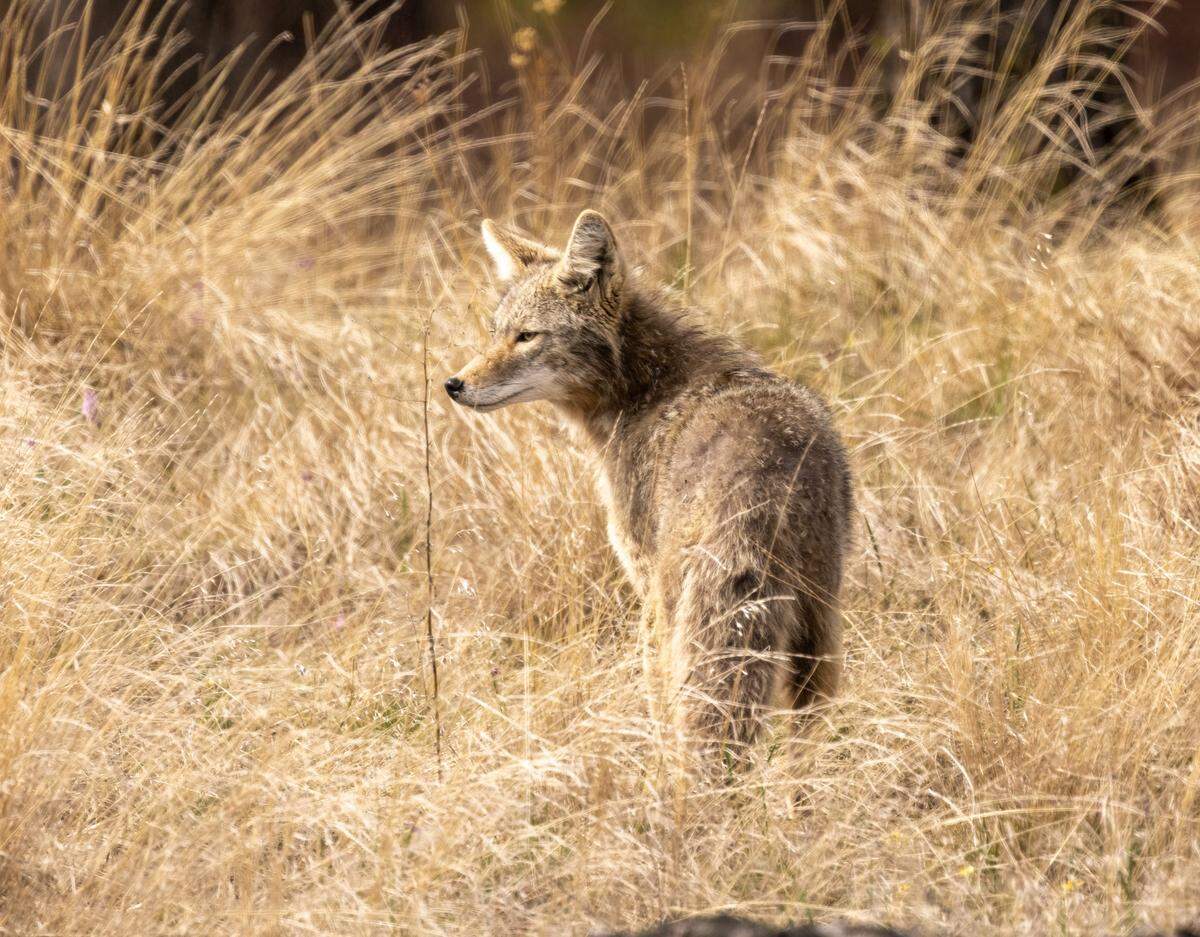
Coyotes have grayish-brown fur, pointed ears, a narrow muzzle and a bushy tail that is often held low when running.
They are about the size of a medium dog, typically 20 to 35 pounds, with a slender build.
Coyotes also have distinct yips, barks and howls, especially at night.
What to do if I see a coyote?
If a coyote is simply passing through, no direct action is usually necessary.
However, it’s wise to ensure children and pets are secure and never left unattended, and that any potential attractants are put away, such as pet food, an open garbage can or fallen fruit.
If a coyote lingers or approaches you, the FWC encourages residents to haze the coyote — scare the animal without causing harm.
To haze a coyote, tackle the issue like how you would when you encounter a docile bear in the wild — make yourself appear larger by waving your arms, shout or clap to make loud noises, and throw small objects near the animal, but not at it.
You can also shake a can filled with coins, use a whistle or horn, or spray the coyote with a garden hose or water bottle. Make sure not to turn your back or run away from the animal.
The FWC warns residents not to haze coyotes with pups or those that appear sick or injured. Instead, report them to the FWC Wildlife Alert Hotline at 888-404-3922.
If a coyote appears to stay and not retreat, it likely means someone may be feeding it, which is illegal and should be reported.
Learn more
Broward County will host a free presentation with the FWC on Wednesday, Dec. 10, from 7 to 8:30 p.m. about coexisting with coyotes.
The event will be held in person at Plantation Heritage Park’s Heritage Hall and will also be available through Zoom. Those interested in attending can register here.
This story was originally published November 10, 2025 at 1:23 PM.