
Mike Hernandez eyes District 4 seat in Pembroke Pines. What voters should know
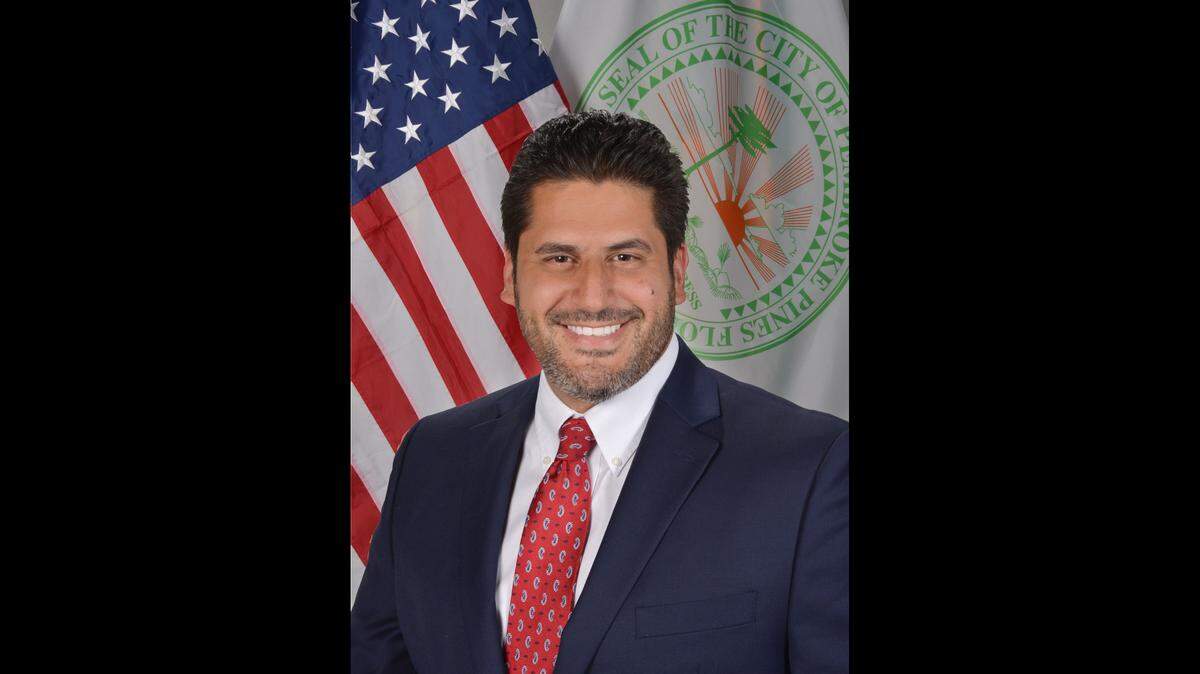
Pembroke Pines Vice Mayor Mike “Mike” Hernandez is centering his District 4 city commission re-election campaign on tackling the city’s affordability crisis, citing long-term pressures from property taxes, insurance and rising utility bills, especially for seniors.
Running against Elizabeth “Liz” Burns, Hernandez also points to his record of backing millage rate reductions, pushing competitive bidding to lower city costs, and calling for more resident engagement to improve collaboration with local government.
FULL STORY: Election Day in Pembroke Pines: Two vie for District 4 seat. Meet the candidates

Here are key takeaways from Hernandez’s platform:
- Hernandez says his top priority is affordability, focusing on long‑term cost‑of‑living pressures such as property taxes, insurance and rising utility bills, especially for seniors.
- He highlights the city’s 11 straight years of reducing the aggregate millage rate and pledges not to support any increase, while seeking further cuts that still allow “meaningful relief.”
- He warns that state-level property tax reforms could significantly cut city revenue and potentially affect police and fire services, which make up much of the city’s budget.
- He supports competitive bidding for city contracts to lower costs for taxpayers and responds to the failed $230 million bond by holding misinformation accountable and emphasizing the need for clearer communication, particularly if another bond is proposed in 2026.
- He backs traffic-calming measures like speed detection signs and calls for greater civic participation, arguing that more engagement reduces misinformation and improves collaboration between residents and local government.
This report was produced with the assistance of a proprietary tool powered by artificial intelligence and using our own originally reported, written and published content. It was reviewed and edited by our journalists.