Fibermaxxing Is Real: 5 Underrated Foods Dietitians Want You to Eat Every Week
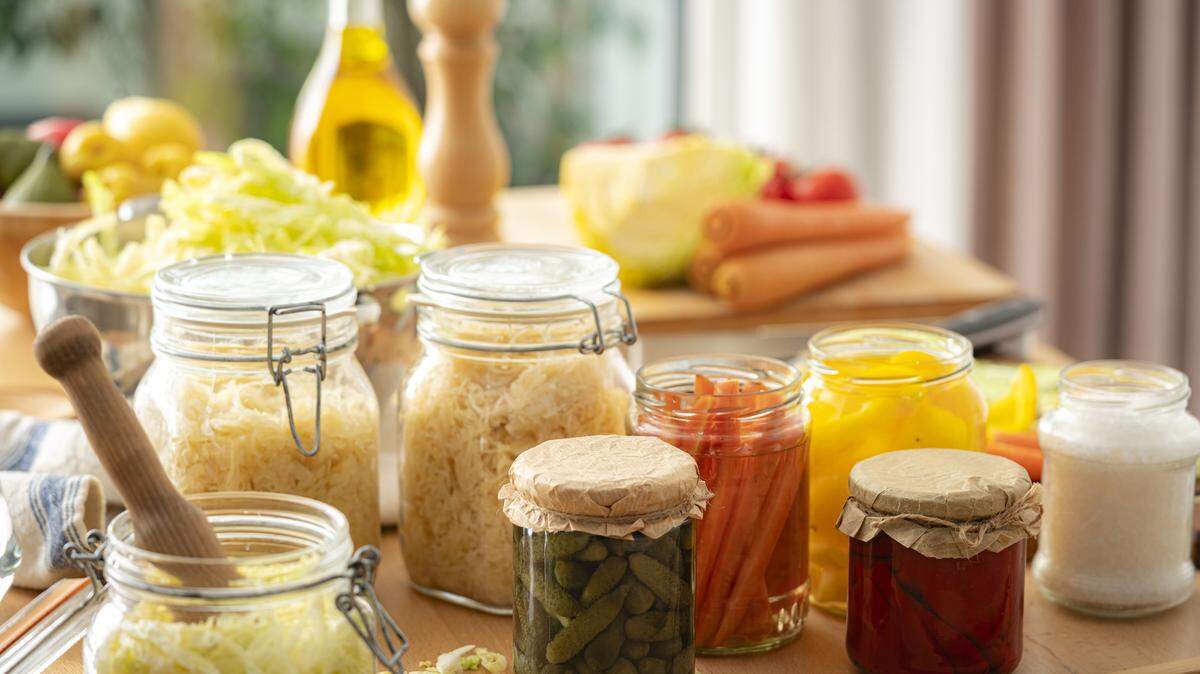
You’ve seen “fibermaxxing” all over your feed. What started as a wellness hashtag has turned into one of the biggest nutrition trends of 2026, and the science actually backs it up.
Here’s the problem: most of us aren’t even close. The average American gets only 10 to 15 grams of fiber a day, about half of what’s recommended. Harvard oncologist Dr. Ezekiel Emanuel says just 7% of adults hit the target, and the shortfall is tied to real consequences like colorectal cancer, Type 2 diabetes and heart disease.
The 2025-2030 Dietary Guidelines landed in January 2026 with a clear push toward whole foods and fiber-rich eating. GLP-1 medication users are also fueling demand for high-fiber, high-protein options, making these picks more relevant than ever. So what should you actually be adding to your cart? Five foods that registered dietitians keep pushing and most people keep walking past.
Lentils Are the Ultimate Fiber Hack
Half a cup cooked gives you about 8 grams of fiber alongside plant protein, iron and folate. Teresa Fung, adjunct professor of nutrition at Harvard T.H. Chan School of Public Health, has pointed out that trading animal protein for lentils, beans or peas fills the fiber and folate gaps most Americans don’t realize they have. They’re cheap, cook fast and work in basically anything. Throw red lentils into a curry, toss green lentils into a salad or blend them into a soup. You don’t need a new recipe. You need one new ingredient.
Canned Salmon Is the Protein Upgrade You’re Sleeping On
Everyone reaches for tuna, but dietitian Kristen White, RD, makes the case that canned Alaskan salmon is the better call. It’s packed with omega-3s, delivers vitamin D and even has calcium from the soft bones. It sits in your pantry until you need it, and a quick salmon bowl or set of patties comes together in minutes.
Beets Aren’t Just for Juice Cleanses
Beets have real nutritional credibility. They’re rich in nitrates that support blood pressure and circulation, and dietitian Molly Snyder, RDN, lists them among the top foods to prioritize in 2026. They last longer in the fridge than most produce, which means less waste. And yes, the pre-cooked vacuum-sealed kind from the grocery store counts.
Fermented Foods Have Clinical Backing
Kimchi, sauerkraut and kefir aren’t just aesthetically pleasing fridge staples. A 2021 Stanford clinical trial published in Cell found that participants who ate fermented foods for 10 weeks showed increased microbiome diversity and reduced levels of 19 inflammatory proteins. If gut health is something you’re actively working on, building a small daily habit around fermented foods is one of the more evidence-backed moves you can make.
Seeds Are the Zero-Effort Nutritional Win
Pumpkin, flax and hemp seeds bring magnesium, zinc and plant-based omega-3s to the table with literally no cooking involved. Registered dietitian Maggie Michalczyk notes that a single ounce of pumpkin seeds covers 40% of your daily magnesium needs. Blend them into smoothies, dump them on açaí bowls or just eat a handful between meals. They’re the nutritional equivalent of a cheat code.
Why This Trend Actually Has Legs
Fibermaxxing isn’t going away because the underlying data isn’t going away. When 95% of Americans consistently fall short on a nutrient directly linked to chronic disease prevention, the conversation sticks around. These five foods aren’t complicated or expensive. Pick one this week, build it into your routine and let the compound effect do the work.
This article was created by content specialists using various tools, including AI.